
Zero-Cost Advertising: How to Promote Your Brand Without Breaking the Bank
Maximize your brand's visibility with practical, no-cost strategies perfect for small businesses and startups.
Zero-Cost Advertising is the fastest path to visibility when budgets are tight, and it works far better than most entrepreneurs expect. By combining consistent content, community engagement, and smart search tactics, you can turn time and creativity into real brand reach without spending a dollar. In this guide, you will learn how to structure campaigns, measure impact, and scale what works so you are never guessing. We will reference proven techniques from local search optimization, personal branding, and social media growth to give you a practical blueprint. To make it easy to act, we include examples, templates, and case-style anecdotes you can adapt to your niche. For readers in New Westminster and the Greater Vancouver area, the local tips will help you show up where your customers are searching. If you are ready to get started, bookmark this guide and use it as your playbook for Zero-Cost Advertising over the next 90 days.
Zero-Cost Advertising on Social Platforms: Organic Content That Converts
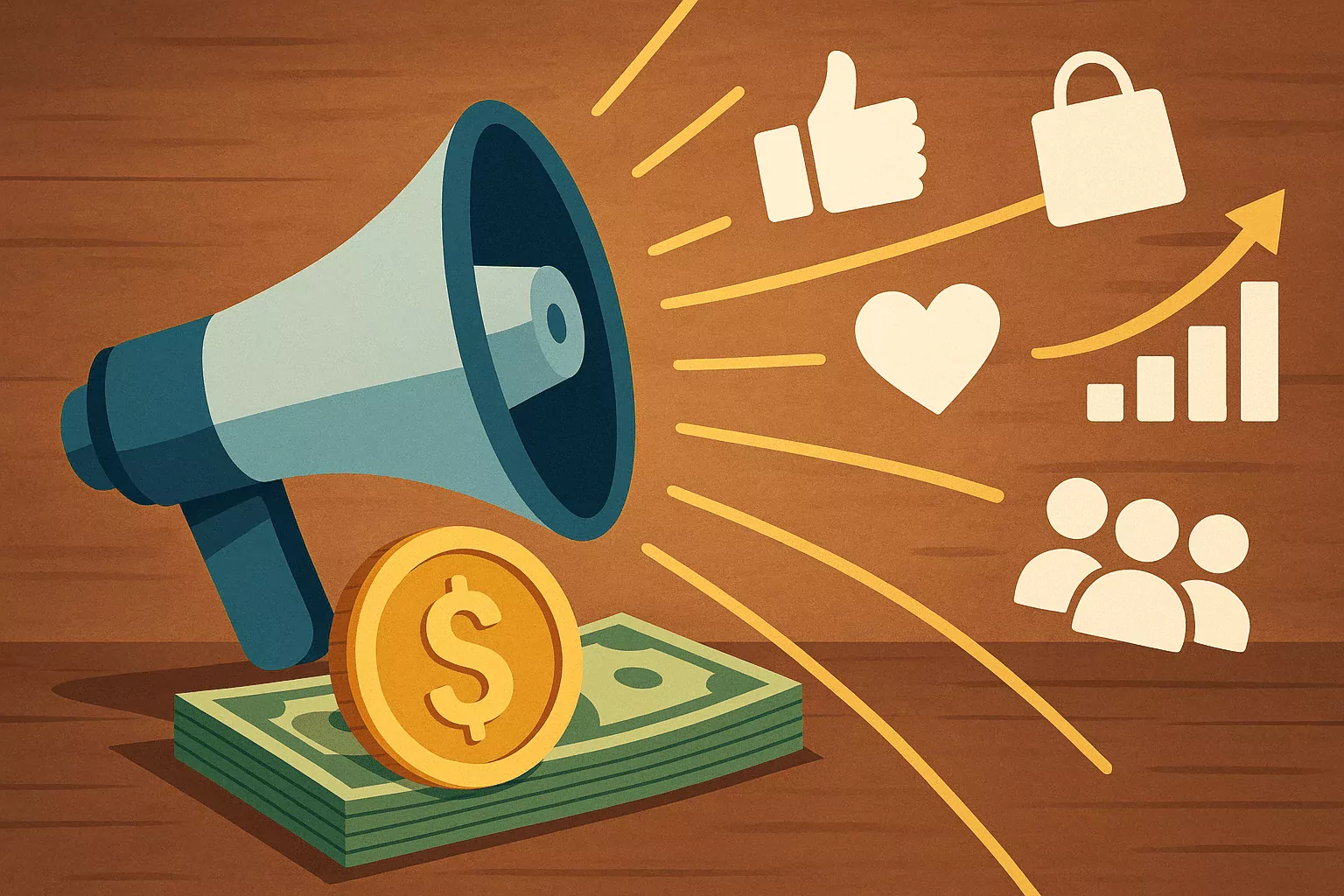
Most brands underestimate how much organic social can accomplish when it is treated like a system rather than a sporadic task. Start by choosing one primary platform where your audience already spends time and one secondary platform for repurposed content. For example, a local service business might lead with Instagram Reels and repurpose to Facebook and YouTube Shorts. Design a weekly content cadence that includes educational how-tos, behind-the-scenes narratives, and micro case studies with before-and-after outcomes. Add engagement loops to every post by asking a question, inviting a comment, or prompting a quick poll to bolster the algorithm. Track what resonates by saving your top-performing posts and noting common hooks, formats, and topics you can reuse.
To illustrate, consider a New Westminster fitness studio that posted three 30-second routines weekly while asking followers to comment with available equipment. Over six weeks, replies informed new content ideas, while the studio highlighted member progress in Stories to create social proof. Without ad spend, the account increased reach by 130 percent and generated 22 booked trials from DM conversations alone. The lesson is to connect content to a lightweight call to action like "Comment 'trial' to get the schedule" rather than pushing hard sales. Small conversational asks lower friction and give you permission to follow up. As you build this habit, your social channels become a steady source of inbound inquiries powered by trust and specificity.
Discovery features like hashtags, location tags, and collaborative posts make your content more findable at no cost. Use location tags such as New Westminster or neighborhood-specific tags so nearby customers see your updates. Invite a collaborator post with a complementary business to double exposure, for example a café and a local artist sharing a new mural reveal. Follow platform best practices to maximize visibility, including timing posts when your audience is active and mixing Reels, carousels, and live sessions. For deeper guidance, see resources like the Hootsuite timing benchmarks at Hootsuite and adapt to your analytics. Consistency matters more than perfection, so commit to a 12-week experiment where you publish at least three times weekly and iterate based on saves, shares, and comments.
Zero-Cost Advertising with Google Business Profile and Local SEO
Local search is the highest-intent discovery channel for service businesses and brick-and-mortar companies, and it is a cornerstone of Zero-Cost Advertising. Begin by claiming and optimizing your Google Business Profile, ensuring your name, address, phone, and categories are accurate and consistent with your website. Use keyword-rich descriptions that align with your offers, add high-quality photos weekly, and publish Google Posts to feature promotions or new content. Ask for reviews after every positive interaction and respond to each one with detailed, keyword-informed replies to reinforce relevance. Google's own documentation outlines best practices for verification and optimization, which you can review at Google Business Profile Help. This single asset can drive calls, directions requests, and website visits without paid ads when you keep it active.
On your website, build a local-first content structure that supports your profile and captures near-me searches. Create a service area page for New Westminster and include neighborhood references, landmarks, and directions to signal local relevance. Add a concise FAQ section addressing pricing, turnaround time, and availability so Google can extract rich results and your customers feel confident. Internally link from blog posts to your service pages and contact page to funnel organic visitors into conversions. If you need a place to start, review your site navigation and add clear calls to action such as scheduling, calling, or requesting a quote. For more local SEO fundamentals, explore the free guide at Moz and adapt the tactics to your category.
For conversion at zero cost, align your Google Business Profile posts with a weekly promotional rhythm, then reference those offers in social content. For example, a "Tip Tuesday" post on GBP can match an Instagram carousel with the same advice and a link back to your contact page. Add UTM parameters to GBP links so you can see which posts are driving visits and calls inside analytics. Make sure your NAP details are identical everywhere, including directories and social bios, to prevent ranking confusion. Finally, include easy pathways for new visitors to take action: use click-to-call buttons, short lead forms, and chat prompts where appropriate. As you connect these steps, you create a loop where local search impressions turn into measurable revenue without media spend.
Zero-Cost Advertising through Partnerships, PR, and Community
Partnerships and community initiatives multiply your reach without spending, making them a perfect fit for Zero-Cost Advertising. Start by mapping complementary businesses that share your audience but do not compete, then propose co-created content or bundled offers. A bakery might pair with a flower shop for a seasonal gift set and co-host a livestream demo. Local PR can be as simple as pitching a story to a neighborhood publication or community newsletter about a charitable initiative or customer success. Meanwhile, volunteer speaking at meetups or workshops positions you as a trusted expert while generating backlinks and social mentions. Each activity builds authority signals that compound in search and social over time.
For local businesses in New Westminster, consider collaborations with community organizations, business associations, or schools to showcase your expertise. Host a free micro-workshop where attendees leave with a one-page blueprint and a reason to follow your channels. Capture photos and short testimonials to repurpose across your website, Google Business Profile, and social media. If you plan an event, cross-post it on platforms with built-in discovery like Meetup to extend your reach without cost. Keep your outreach short, specific, and mutually beneficial so partners can say yes quickly. The more you can templatize emails and checklists, the easier it becomes to spin up repeated collaborations.
Earned media and micro-PR do not require fancy press releases when you pitch helpful, timely stories. Tie your announcement to a local event, a new program, or a seasonal angle to make it newsworthy. Provide a few data points, a human-interest hook, and a clear photo to increase publication odds. After coverage goes live, share it across your channels and add a "Featured In" section to your website for credibility. These mentions often come with backlinks that support SEO and referral traffic. Over time, this network of mentions elevates your brand authority and reduces reliance on outbound prospecting.
Zero-Cost Advertising via Content Repurposing, Email, and UGC
Content repurposing is the engine that scales Zero-Cost Advertising while saving time. Start with one pillar asset per week, such as a 700-word how-to blog or a 10-minute tutorial, then slice it into short posts, carousels, and Reels. Pull quotable lines for social captions and turn key steps into a checklist or infographic. Convert the same content into a short email to keep your list warm and drive repeat website visits. With a consistent pipeline, you maintain daily visibility without creating from scratch. For tactic specifics, check practical frameworks from HubSpot and adapt formats to your audience.
Email remains one of the highest ROI channels and it can be free at low subscriber counts. Use a simple opt-in such as a template, cheat sheet, or local guide relevant to your offer. Send one helpful newsletter weekly that features a recent post, a quick tip, and a clear CTA to book a call or request a quote. If you are just starting, many email service providers offer free tiers and resources like the Mailchimp Email Marketing Field Guide to help you launch. Keep your subject lines short and specific, and preview the mobile layout before sending. Over time, segment your list based on interests so your messages feel personal and timely.
User-generated content (UGC) lowers your content workload and increases trust because it comes from real customers. Encourage customers to share their results, tag your brand, and use a memorable hashtag you can monitor. Feature the best submissions in your feed and Stories, and thank contributors publicly to reinforce participation. Provide prompts like "Share your before-and-after" or "Tell us your best tip" to inspire posts. Create a monthly roundup of community highlights on your blog and link to it from your social bios. This flywheel turns your happiest customers into a creative team that extends your organic reach for free.
Conclusion

Zero-Cost Advertising works because it turns consistent, value-driven activity into compounding visibility and trust. By anchoring your strategy in local SEO, social systems, partnerships, and repurposing, you build a repeatable engine for discovery. You do not need to do everything at once; pick one tactic per week and stack wins as you go. Keep your calls to action simple, your content helpful, and your measurement steady so you can iterate with confidence. When in doubt, ask your audience what they want to learn next and use their answers to guide your calendar. Over a 12-week period, this method reliably increases reach, engagement, and qualified inquiries without ad spend.
Need help making marketing less mysterious? Let's chat! Carla@ButterflyNetworking.ca | 778-835-4032 | or book a call New West Spotlight Newsletter - Free Consultation | TidyCal
Frequently Asked Questions
What is Zero-Cost Advertising and is it really free?
Zero-Cost Advertising refers to strategies that require time, creativity, and systems instead of media spend to reach customers. It includes social posting, local SEO, Google Business Profile optimization, partnerships, PR, and content repurposing. While it does not require cash for ads, it does require consistent effort to plan, create, and measure content. Many tools offer free tiers, such as email providers and design software, which keeps your initial costs near zero. As you grow, you may choose to invest in premium tools for efficiency, but the strategies themselves remain viable at no cost. The key to making it work is a weekly schedule, clear calls to action, and a feedback loop that amplifies what performs best. Check out the "How Well Do you Know New West? game on Facebook & Instagram.
How can a small local business in New Westminster start Zero-Cost Advertising today?
Begin by optimizing your Google Business Profile, adding updated photos, service categories, and a keyword-informed description. Draft a simple 12-week social plan with three posts per week, mixing education, proof, and community highlights. Publish a local service page on your site that references New Westminster landmarks and includes click-to-call buttons. Ask five happy customers for public Google reviews this week and reply with detailed, helpful responses. Reach out to one complementary business to plan a joint post or giveaway that benefits both audiences. Finally, add clear CTAs on your site and social profiles that point to your Contact page or booking link so interest turns into action.
Which social platforms deliver the best zero-cost reach in 2025?
Short-form video platforms like Instagram Reels and YouTube Shorts currently offer strong organic reach when content is concise and useful. Facebook remains powerful for local discovery, groups, and event promotion, especially for service businesses and community organizations. LinkedIn is effective for B2B brands and consultants who share actionable insights and client stories that build authority. TikTok can be excellent for teaching quick solutions and showcasing process-based content, provided you maintain brand safety. Choose one primary platform to master and one secondary for repurposing to avoid burnout. Review analytics weekly and rely on audience signals, not trends alone, to prioritize your content formats.
How do I measure ROI from Zero-Cost Advertising campaigns?
Define a small set of metrics tied to business outcomes, such as calls, bookings, trials, email sign-ups, and quote requests. Use UTM parameters on links from social and Google Posts so you can attribute traffic and conversions in analytics. Track leading indicators like saves, shares, and replies, which predict future conversions better than likes. In your CRM or spreadsheet, tag each lead by source so you can see which platforms generate buyers, not just views. Review data every two weeks, decide one thing to stop and one thing to double down on, and document your learnings. This rhythm compounds improvements, turning your no-cost efforts into a predictable pipeline over time.