
Unlocking Local Success: Leveraging a Shared Audience to Boost Traffic
Harness the power of shared audiences to drive local traffic and grow your business effectively.
Local businesses thrive when they find creative ways to collaborate and meet customers where they already are. A powerful approach is using a shared audience to boost local traffic through smart partnerships, co-marketing, and community engagement. By aligning with nearby businesses that serve similar customer profiles, you can multiply reach, reduce costs, and create reliable referral pipelines. The best part is that this strategy compounds over time as your partnership network and brand recognition grow in your neighborhood. If you want to accelerate results, anchor your plan around measurable tactics and real-world events that turn online attention into foot traffic and sales. Start by mapping your customer overlaps, then test joint offers, content swaps, and neighborhood events to activate interest quickly. For readers ready to take action now, explore a practical guide and link around a Shared Audience to Boost Local Traffic so you can implement these steps today.
Map and Measure: Build a Shared Audience to Boost Local Traffic
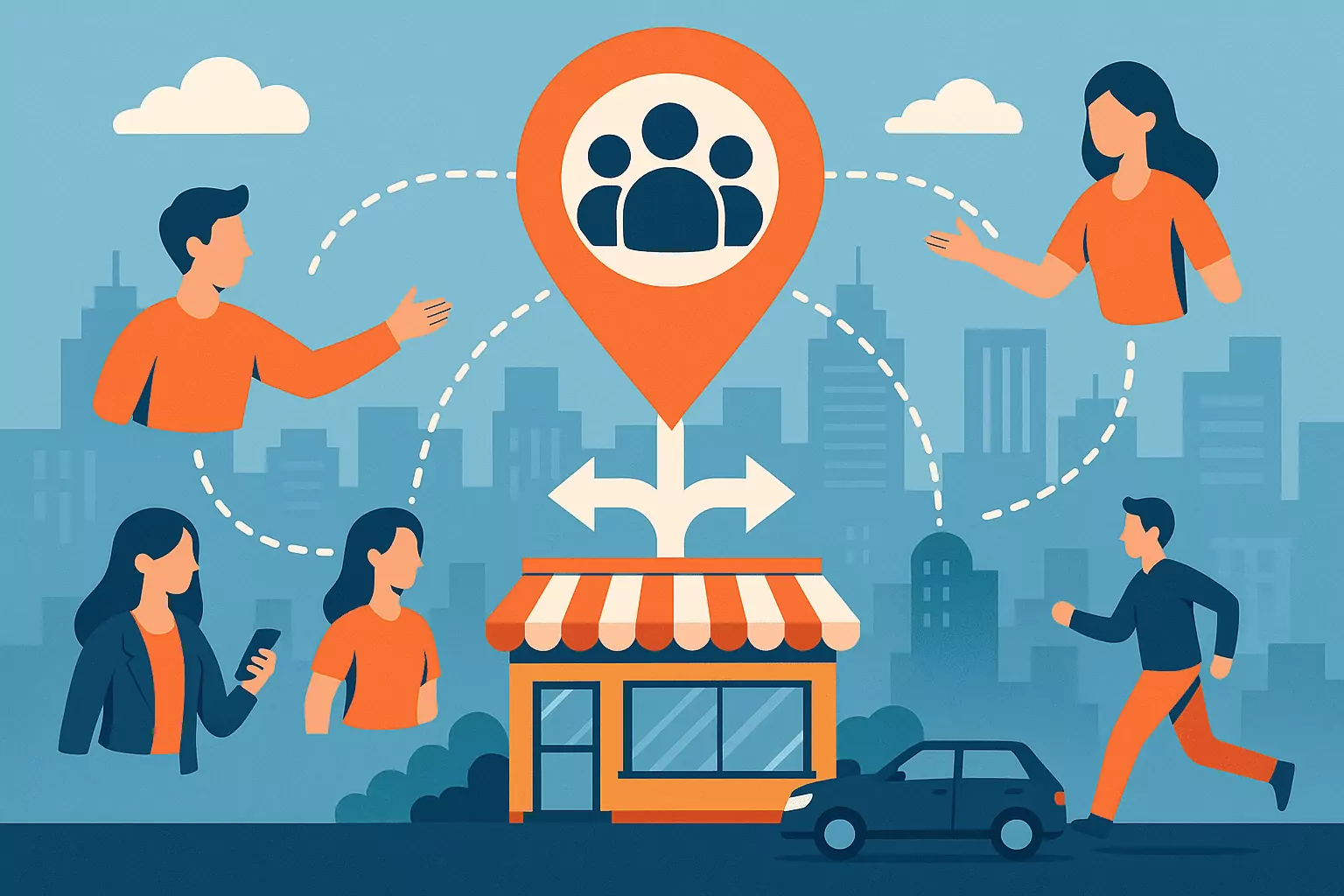
Before launching any campaign, define what a shared audience means for your business and market. A shared audience is a group of local customers who are likely to buy from you and your partners because of overlapping needs, locations, and lifestyles. For example, a boutique fitness studio, a health food café, and a nearby physiotherapy clinic often serve the same people within a few postal codes. Start by listing complementary businesses within a 10 to 15 minute drive and compare their typical customers to yours. Use available data such as Google Business Profile insights, social media follower overlaps, and customer surveys to validate assumptions. This baseline will guide which collaborations are most likely to increase walk-ins, phone calls, and website conversions.
Quantify your overlap with simple, accessible metrics your team can track weekly. Look at shared zip or postal codes in POS data, common referral sources mentioned by customers, and audience interests from social analytics. If two businesses share 30 percent of their top zip codes, that signals strong potential for cross-promotion with minimal friction. Assign a score to each potential partner based on audience fit, brand alignment, and willingness to collaborate, then prioritize the top three. Create a lightweight partnership brief that outlines goals, sample offers, and timelines so both teams can commit confidently. Clear expectations and simple scorecards are the difference between a great idea and campaigns that actually move the needle.
To make this practical, imagine a New Westminster florist evaluating partnerships with wedding planners, photographers, and venues within five kilometers. The florist reviews recent orders and finds that 42 percent of bookings come from couples living near the Quay and Uptown neighborhoods. A local photographer shares a similar distribution, and both businesses rank highly for searches like wedding flowers and wedding photos near me. The two agree to test a joint mini-portfolio day with bundled discounts, exclusive booking windows, and an Instagram Story swap. They track clicks with UTM tags, coupon codes specific to the collaboration, and a shared inquiry form that identifies the source. After four weeks, they compare total leads, cost per lead, and closed revenue to decide whether to scale.
Co-marketing Playbooks that Use a Shared Audience to Boost Local Traffic
Co-marketing is the engine that turns a shared audience into measurable growth, especially for brick-and-mortar businesses. Start with a campaign that is easy to launch, like a digital content swap, then progress to bundled offers and limited-time promotions. A simple playbook might include writing guest posts on each other's blogs, sharing Instagram Reels that highlight both brands, and running an email feature swap with a trackable call-to-action. For in-person engagement, test counter displays, window decals, and bag stuffers with QR codes leading to a collaborative landing page. Keep messaging consistent and local, emphasizing neighborhood convenience, trust, and the short trip to visit both businesses. When in doubt, choose fewer channels and do them well, rather than spreading efforts too thin.
Consider a case study featuring a bakery and a yoga studio located a few blocks apart. They create a weekday morning bundle called Stretch and Scones, offering a discounted yoga class with a same-day pastry and coffee for participants. The studio promotes the bundle to its 2,000-member list, while the bakery places a tabletop sign with a QR code that links to a booking page. The bakery also posts behind-the-scenes videos of the pastry prep tagged with the studio's account, and the studio reciprocates with short class clips. Both teams use the same campaign hashtag and geo-tags to boost local discoverability in social feeds. Over six weeks, they see a 28 percent increase in morning foot traffic and enough bundle redemptions to repeat the offer seasonally.
As you standardize co-marketing, build reusable assets and timelines to accelerate future launches. Create a shared asset folder with logos, brand guidelines, ad templates, and pre-approved messaging to speed reviews. Document a 30-60-90 calendar that sequences teaser posts, launch day content, and reminder pushes tied to weekends and payday cycles. Plan for content capture during events so you can repurpose for reels, short-form videos, and future ad creative. The more you templatize, the faster each new partnership campaign goes live, and the lower your blended cost per acquisition becomes. Small operational improvements like these compound into serious growth over a year.
Events and Community Programs to Activate a Shared Audience to Boost Local Traffic
Local events amplify visibility and trust because they create shared experiences that move people from interest to action. Start with micro-events that are easy to execute, like a Saturday pop-up, a how-to workshop, or a neighborhood tasting. Co-host with partners who attract the same people but do not compete directly, and give each partner a clear role and deliverable. Promote the event through each brand's social accounts, local Facebook groups, and Google Business Profile posts to tap both online and offline discovery. Post eye-catching signage in-store, add QR codes to receipts, and distribute postcards at partner locations. Always include a compelling offer that is only available to attendees, such as a same-week discount or an exclusive gift with purchase.
Imagine a hardware store, a landscaping service, and a home organizer teaming up for a Spring Home Refresh Day. They split responsibilities so each business teaches a 20-minute demo, such as planter building, lawn prep, and closet decluttering. Attendees receive a punch card that offers a reward when they visit all three locations within seven days, boosting multi-stop foot traffic. Each business captures emails via a raffle for a gift basket featuring items from all partners, and they tag a shared UTM link for the event recap. In the week following the event, the trio sees increased store visits, higher average order values, and a spike in service inquiries. The partners then publish a photo recap on their blogs, fueling ongoing SEO and social proof.
As you scale, consider repeating anchor events tied to the local calendar, such as markets, holidays, and school schedules. Tap community organizations, BIA groups, and local media to extend reach without heavy ad spend, while ensuring your partners cross-promote consistently. Use Google Business Profile updates to list events, add photos, and highlight offers so they surface in Maps and local search results. After each event, run a simple after-action review to capture learnings and refine logistics for next time. By turning events into a repeatable program, you can create predictable surges in foot traffic throughout the year. This approach also deepens community goodwill, which increases referrals and review volume.
Tracking, SEO, and Attribution for a Shared Audience to Boost Local Traffic
Tracking closes the loop so you can double down on what works and drop what does not. Build a shared dashboard that tracks website sessions, calls, direction requests, coupon redemptions, and in-store check-ins by campaign. Use UTM-tagged links on all digital posts and co-branded landing pages so you can attribute traffic and conversions to specific partners and content. Give each campaign a unique QR code that leads to a joint page, and train staff to ask a short source question at checkout. For phone tracking, use a campaign call forwarding number and log call outcomes to measure appointment rates. This level of detail helps you negotiate fair co-investments for ads and confirms that your shared audience efforts are profitable. Over time, you will see patterns in which channels, days, and offers yield the best lift.
Local SEO is a force multiplier for shared audience strategies because your partners' mentions reinforce your authority. Publish co-authored blog posts with local keywords, embed a map, and include both businesses' NAP details to strengthen relevance. Add LocalBusiness structured data to joint landing pages so search engines understand your collaboration and service areas. Make sure each partner updates their Google Business Profile with consistent categories, services, and photos from the collaboration. Encourage attendees and customers to mention the event or bundle name in their reviews for additional topical signals. These small steps help your campaigns rank for discovery and branded combinations in local search results.
Finally, lean on authoritative guidance to harden your tracking and SEO fundamentals. Review Google's documentation for local visibility and business features to ensure your listings are fully optimized. Study local SEO best practices and update your schema, citations, and on-page content to reflect partnerships and neighborhoods. Consider referencing consumer insights on local search behavior so that your calls-to-action and page layouts align with how people shop nearby. When you combine disciplined attribution with strong local SEO, your shared audience strategy becomes a repeatable growth system. This is how community-driven marketing accelerates results while keeping customer acquisition costs manageable. The payoff is a durable, neighborhood brand that customers trust and recommend.
Conclusion

Local growth accelerates when you align with neighbors who serve the same people and share your standards. By mapping overlaps, selecting the right partners, and launching simple co-marketing playbooks, you transform a shared audience into walk-ins and booked calendars. Community events then add a surge effect that reinforces brand recall and review velocity. The final piece is disciplined tracking and local SEO so your wins are visible, repeatable, and scalable. Put these elements together and you have a dependable system to expand reach while keeping acquisition costs efficient. This is how smart local brands turn proximity into sustained advantage and loyal customers.
Need help making marketing less mysterious? Let's chat! Carla@ButterflyNetworking.ca | 778-835-4032 | or book a call
New West Spotlight Newsletter - Free Consultation | TidyCal.
Frequently Asked Questions

What is a shared audience in local marketing, and why does it matter?
A shared audience is a group of nearby customers who are likely to engage with multiple complementary businesses. These customers live or work within the same trade area, share similar interests, and have overlapping purchase journeys. When you collaborate with partners that serve this audience, you amplify reach without paying for expensive cold traffic. The result is higher response rates, more walk-ins, and lower acquisition costs because trust transfers across brands. Shared audience strategies also create more places for your message to show up, from window decals to Instagram cross-tags. Over time, this builds community presence that search engines and customers both recognize.
How do I find the right partners to share an audience with in New Westminster or the Lower Mainland?
Start by listing businesses that your customers already mention when they describe their day or routine. Look for complementary, not competing, offers such as fitness and nutrition, home services and décor, or pet grooming and pet supplies. Visit locations to assess brand fit, staff friendliness, and customer flow, then request a brief meeting with the owner or manager. Bring a simple one-page plan with three campaign ideas, a sample timeline, and clear tracking methods so it is easy to say yes. Prioritize partners within a short drive of your location and those with active email or social channels. In New Westminster, consider businesses near transportation hubs, the Quay, and well-trafficked streets to maximize convenience and visibility.
How quickly can a shared audience strategy boost local traffic and sales?
Quick wins can appear within two to four weeks when you launch a tight, time-boxed offer with a visible partner. Digital content swaps and in-store signage often drive immediate clicks, calls, and visits if the offer is clear and locally relevant. Larger lift typically occurs by week six to eight after you run an anchor event or a bundle with multiple touchpoints. Expect compounding gains as you repeat successful campaigns and add new partners each quarter. The most consistent results come from a cadence of small promotions backed by periodic anchor events. A simple weekly review process helps you iterate fast and keep momentum building.
What tools should I use to track results from shared audience campaigns?
Use UTM parameters on every link to attribute traffic and conversions across partners and channels. Generate unique QR codes for postcards, signage, and bag stuffers, and route them to a joint landing page. Set up call tracking numbers for campaigns that drive phone inquiries and record outcomes like appointments or bookings. Share a lightweight dashboard in a spreadsheet or analytics platform so all partners can see the same data. Collect first-party data with opt-in forms at events and on landing pages to fuel future remarketing. This toolkit keeps your team aligned and proves which activities drive the most local traffic and revenue.
Are there legal or privacy concerns when sharing audiences with partners?
Yes, you should follow consent and privacy best practices whenever collecting or using customer data. Only exchange customer information with explicit permission, and clearly state how you and your partners will use it. When possible, rely on aggregated or anonymized metrics in shared dashboards rather than raw personal data. Use unique links, codes, and event check-ins to attribute results without exposing sensitive information. Review applicable regulations for email, SMS, and data handling in your province or state to avoid compliance issues. Transparent communication builds trust with customers and protects your brand reputation.