
Top SEO Techniques to Effectively Increase Brand Visibility
Boost your brand's online presence with practical SEO techniques tailored for small businesses and entrepreneurs.

Every brand wants to be discovered, remembered, and chosen, but the path to increase brand visibility online is not always obvious. In competitive markets and local communities alike, the brands that win are the ones that build search visibility systematically across content, technical SEO, and authority. This article shows you how to increase brand visibility with actionable tactics you can use immediately, whether you lead marketing for a national brand or a local business in New Westminster. You will learn how to align search intent with content, structure your website for discoverability, and elevate credibility with digital PR. We will also explore local SEO strategies that matter for foot traffic, calls, and conversions, using examples relevant to Greater Vancouver businesses. By the end, you will have a practical roadmap and useful links to plan, execute, and measure what truly moves the needle to increase brand visibility.
Build Local SEO Foundations to Increase Brand Visibility
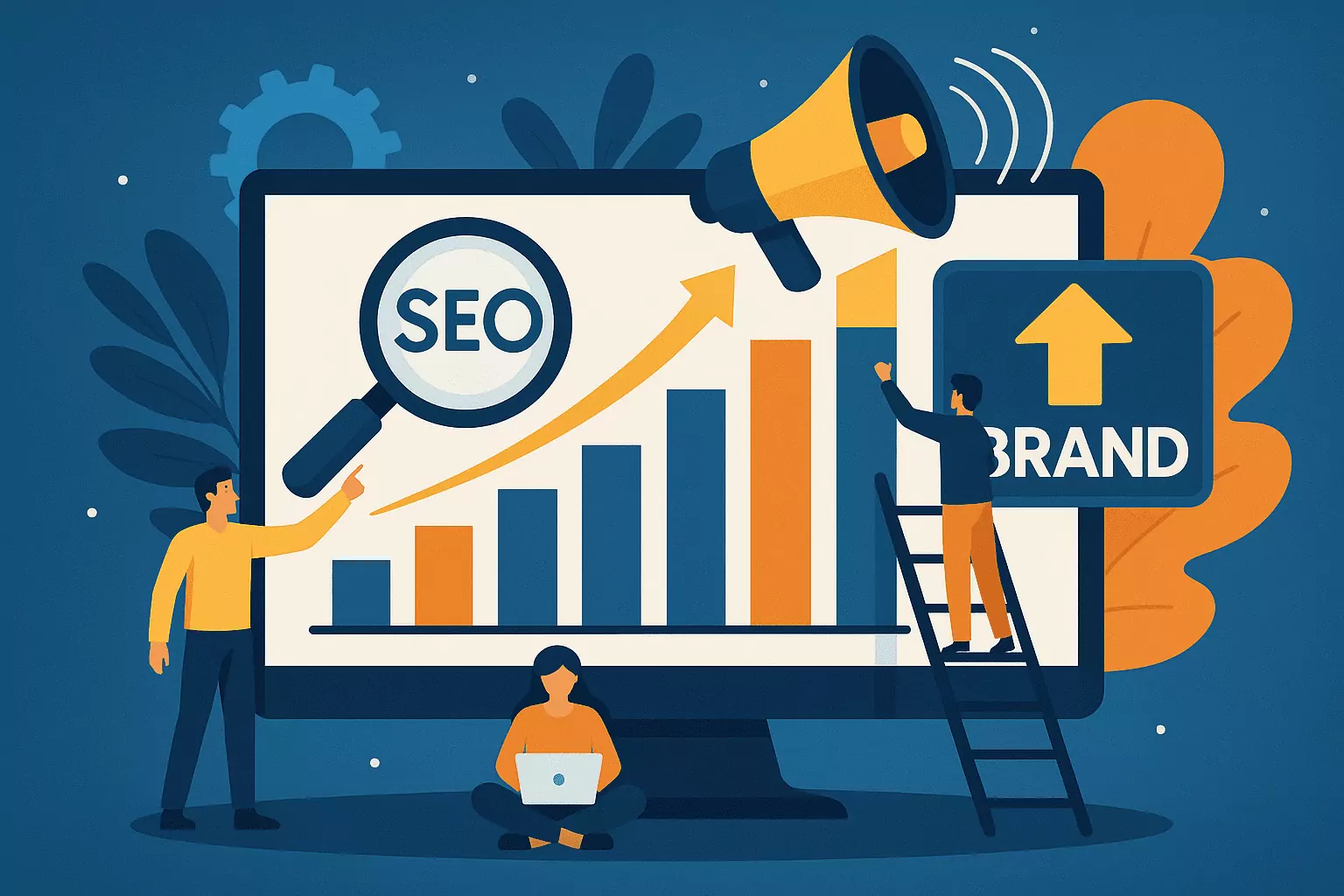
Local SEO is one of the most reliable ways to increase brand visibility because it meets users in the moment of intent. Start by fully optimizing your Google Business Profile with accurate categories, a compelling description, and high-quality photos that reflect your brand. Ensure NAP consistency, meaning your business name, address, and phone number match exactly across directories like Apple Maps, Bing Places, Yelp, and industry-specific listings. For businesses in New Westminster, mention nearby landmarks and neighborhoods, such as the Quay or Uptown, to create hyperlocal relevance in your content. Include service areas and hours, and encourage customers to ask and answer questions on your profile so it becomes a living asset that supports discovery.
Reviews are social proof that amplify trust and can directly influence local rankings and clicks. Create a repeatable process to request reviews after successful interactions, and respond to each review with gratitude and specificity. Analyze review language to find common terms customers use, then mirror those words in page copy and FAQs to align with real search intent. Consider a simple review acquisition cadence, such as sending follow-ups two days after a service call and a reminder a week later. This sustained approach can produce a steady stream of ratings that increase brand visibility in map packs and localized search results.
Citations and on-site local signals work together to validate your legitimacy. Build structured citations on high-quality directories and include unstructured citations by earning mentions in local news or community websites. On your website, create location pages with unique content, landmarks, parking tips, and embedded maps, rather than duplicating the same text. Add local business schema to help search engines understand your entity and surface rich results that drive visibility. Pair these elements with fast page speed and mobile-friendly layouts to ensure searchers can act quickly when they find you.
Create High-Value Content Hubs to Increase Brand Visibility

Content hubs organize your expertise into a clear structure that search engines and users can navigate easily. Start by mapping your core topics and clustering related subtopics around them, such as services, how-to guides, and comparison articles. Each hub should have a pillar page that summarizes the topic and links to in-depth articles, creating internal pathways that distribute authority. Use this architecture to target broad and long-tail queries, capturing both early researchers and bottom-of-funnel searchers with transactional intent. This approach improves topical authority, which is a powerful lever to increase brand visibility for competitive keywords.
Match content formats to search intent so you answer questions in the way users prefer to consume information. For how-to and tutorial queries, include step-by-step sections and simple visuals that guide the user. For service-focused queries, add checklists, pricing guidance, and clear calls to action near the top of the page. Include FAQs on key service pages to earn rich results and lower bounce rates by addressing common objections. When appropriate, embed internal links to resources like services pages, educational posts on your blog, or your contact page to keep visitors moving toward conversion.
Storytelling elevates expertise and makes it relatable, driving more engagement signals over time. For example, a New Westminster retailer created a seasonal content hub with gift guides, local event calendars, and neighborhood spotlights, which produced spikes in organic impressions and assisted conversions. Another local service business published before-and-after case studies and short client interviews, increasing pages per session and calls from organic search. Track which stories generate the most shares and time on page, then expand those themes with supporting articles and downloadable guides. As engagement grows, search engines reward your site with better placements that increase brand visibility for adjacent keywords.
Optimize Technical SEO and UX to Increase Brand Visibility

Technical SEO and user experience form the scaffolding that supports all your content and authority efforts. Ensure your site uses a logical URL structure, clean internal linking, and an XML sitemap submitted to Google Search Console. Improve Core Web Vitals by optimizing images, deferring non-critical scripts, and using modern file formats for faster load times. Adopt a mobile-first mindset, testing on real devices to ensure buttons are tappable, forms are simple, and content is readable without pinch-zoom. The easier your site is to crawl and use, the more consistently you will increase brand visibility across search features.
Structured data helps search engines interpret your pages and can unlock rich results that improve CTR. Add organization, local business, product, service, FAQ, and breadcrumb schema where relevant, verifying implementation with Google's testing tools. Use descriptive alt text and accessible markup to enhance inclusivity and image search performance. Create a content-to-code ratio that favors actual information rather than heavy scripts, which can slow rendering and block crawling. Regularly audit your site for broken links, duplicate content, and orphan pages, and fix issues before they cascade into ranking problems.
Security and indexation hygiene also matter for sustained visibility. Use HTTPS across the entire site and renew your TLS certificates on time to avoid browser warnings that reduce trust. Set canonical tags to consolidate duplicate or near-duplicate URLs, especially for e-commerce filters or CMS quirks. Block thin or private pages from indexing with robots directives, and monitor coverage reports in Search Console for anomalies. When migrating or redesigning, map 301 redirects carefully to preserve link equity, and announce key updates with a short blog post to help search engines rediscover important URLs.
Earn Authoritative Links and Mentions to Increase Brand Visibility

Backlinks and brand mentions are credibility signals that amplify your reach and rankings. Start with digital PR by pitching unique data studies, expert commentary, or community stories to local media and industry publications. Sponsor or participate in New Westminster events and publish recap posts with photos, then encourage partners to link back to your coverage. Build relationships with complementary businesses and propose co-created guides, webinars, or checklists that benefit both audiences. As you earn placements on reputable sites, your domain authority grows, which reinforces efforts to increase brand visibility across competitive terms.
Leverage content designed for outreach, such as statistics pages, glossaries, and visual assets like infographics that publications like to reference. Offer quotable insights from your leadership team and include a short bio section to make citation easy. For a local case example, a home services company released an annual maintenance calendar with climate-specific tips for the Lower Mainland, earning links from local blogs and community groups. Another business published a neighborhood guide featuring accessibility info and eco-friendly transit options, which led to citations from civic sites. This type of resourceful content expands reach while supporting community and sustainability narratives.
Guest posts, podcasts, and expert roundups provide additional exposure when done thoughtfully. Focus on quality over quantity by targeting publications with engaged audiences and relevant topical alignment. Provide original insights rather than rehashing generic advice, and include a helpful resource on your site for readers to explore further. Track referral traffic, assisted conversions, and branded search lifts after each campaign to gauge true value. When combined with consistent on-site improvements, these authority signals materially increase brand visibility in both organic and local search.
Measure, Iterate, and Automate to Increase Brand Visibility
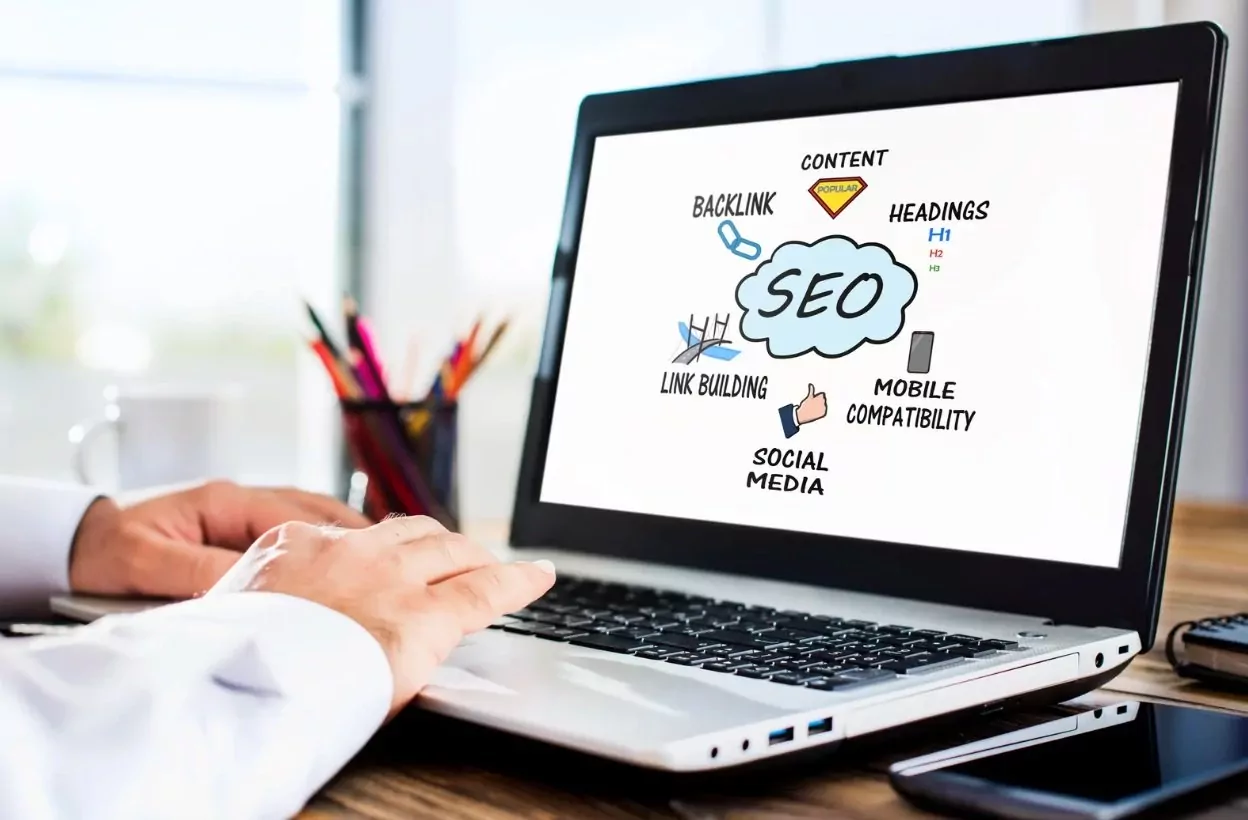
Sustainable growth requires measurement that links SEO activity to business outcomes. Set up Google Analytics and Search Console to track impressions, clicks, rankings, engagement, and conversions. Create dashboards that segment performance by topic clusters, landing pages, and locations, so you can see what truly drives calls and form fills. Monitor local pack visibility, review velocity, and profile interactions alongside organic metrics to get the full picture. This integrated view shows which levers most effectively increase brand visibility and where to invest next.
Adopt a quarterly planning cycle that balances quick wins and strategic initiatives. Quick wins might include optimizing title tags and meta descriptions for higher CTR, improving internal links, or updating legacy content with fresh data. Strategic plays could involve building a new content hub, expanding location coverage, or rolling out schema and UX improvements. Each cycle, prioritize tasks with a simple impact-versus-effort scoring model, then document outcomes for continuous learning. Over time, this cadence compounds results, making your brand steadily more discoverable and trusted.
Use light automation to scale without sacrificing quality. Schedule review requests and social shares, set alerts for ranking drops or broken pages, and automate internal linking recommendations with vetted tools. Maintain editorial standards by using checklists for on-page SEO, E-E-A-T signals, and accessibility before publishing. Archive learnings in a playbook so new team members can contribute quickly and consistently. With the right systems in place, you can reliably increase brand visibility and maintain momentum even as algorithms evolve.
For a quick way to explore resources or get hands-on help, visit our services page, read more insights on our blog, or reach out via contact so we can tailor an action plan for your goals. To learn more about search best practices, review guidance from Google Search Central, local ranking tips from Google Business Profile Help, and foundational strategies from the Moz Beginner's Guide to SEO. These authoritative sources complement the techniques in this guide. Use them to validate your roadmap, avoid outdated tactics, and prioritize what matters. Combining expert resources with practical execution will keep your brand visible and relevant.
Conclusion

To reliably increase brand visibility, align your strategy across local SEO, content hubs, technical excellence, and authority building. Prioritize actions that match searcher intent and remove friction from both discovery and conversion. Then measure everything, iterate quarterly, and use light automation to maintain consistency without sacrificing quality. When you need a partner to implement or refine your plan, Butterfly Networking brings hands-on expertise and a community-first approach in New Westminster. Explore our services, browse the blog, or get in touch through contact to start shaping a roadmap that fits your goals. For a direct next step, call 778-835-4032 and ask for Carla McNeil.
Need help making marketing less mysterious? Let's chat! Carla@ButterflyNetworking.ca | 778-835-4032 | or book a call New West Spotlight Newsletter - Free Consultation | TidyCal
Frequently Asked Questions

How long does it take to increase brand visibility with SEO?
Most businesses see early signals within 30 to 60 days, such as improved rankings for long-tail terms and higher click-through rates. Material gains for competitive keywords often take three to six months, depending on content quality, authority, and technical health. Local SEO actions, like optimizing your Google Business Profile and earning new reviews, can move the needle faster in map results. Significant improvements compound over time when you publish consistently and earn credible links. Set expectations with milestones, not fixed timelines, and monitor leading indicators like impressions, CTR, and engagement.
What on-page elements most influence efforts to increase brand visibility?
Title tags and meta descriptions shape your first impression in search results and directly affect CTR. Clear H1 and H2 structures help search engines understand your topics and where each section fits. Internal links guide authority and users toward your priority pages, while schema can qualify you for rich results. Freshness matters, so update content with new data, visuals, and FAQs to stay relevant. Finally, ensure pages load quickly and are mobile-friendly so users stay long enough to convert.
How can a local business in New Westminster increase brand visibility quickly?
Start by perfecting your Google Business Profile with accurate categories, compelling photos, and service areas. Ask happy customers for reviews and include geo-specific details in responses to signal local relevance. Create a New Westminster landing page with parking info, nearby landmarks, and an embedded map to help visitors. Publish a monthly local guide featuring events at the Quay or Uptown to earn shares and links. Combine these steps with fast site speed and clear calls to action for phone, directions, and bookings.
Are backlinks still important for increasing brand visibility?
Yes, quality backlinks and brand mentions remain strong signals of authority and trust. Focus on earning links naturally through helpful assets like research studies, glossaries, and community resources. Local sponsorships, partnerships, and event participation can produce both citations and coverage from reputable sources. Measure impact by tracking referral traffic, assisted conversions, and branded search lift after campaigns. When combined with robust content and technical SEO, backlinks accelerate your ability to rank and reach new audiences.
What metrics should I track to prove SEO is increasing brand visibility?
Track impressions, average position, and CTR in Search Console to gauge visibility in SERPs. In Analytics, monitor organic sessions, landing page engagement, and conversion actions like calls, forms, and bookings. Check local pack metrics including views, calls, website clicks, and direction requests from your profile. Watch review volume and rating trends, as these influence both rankings and conversion rates. Over time, rising branded search volume often indicates improved awareness and trust driven by SEO.